The Science Behind Hazardous Location Motors and Their Ignition Prevention
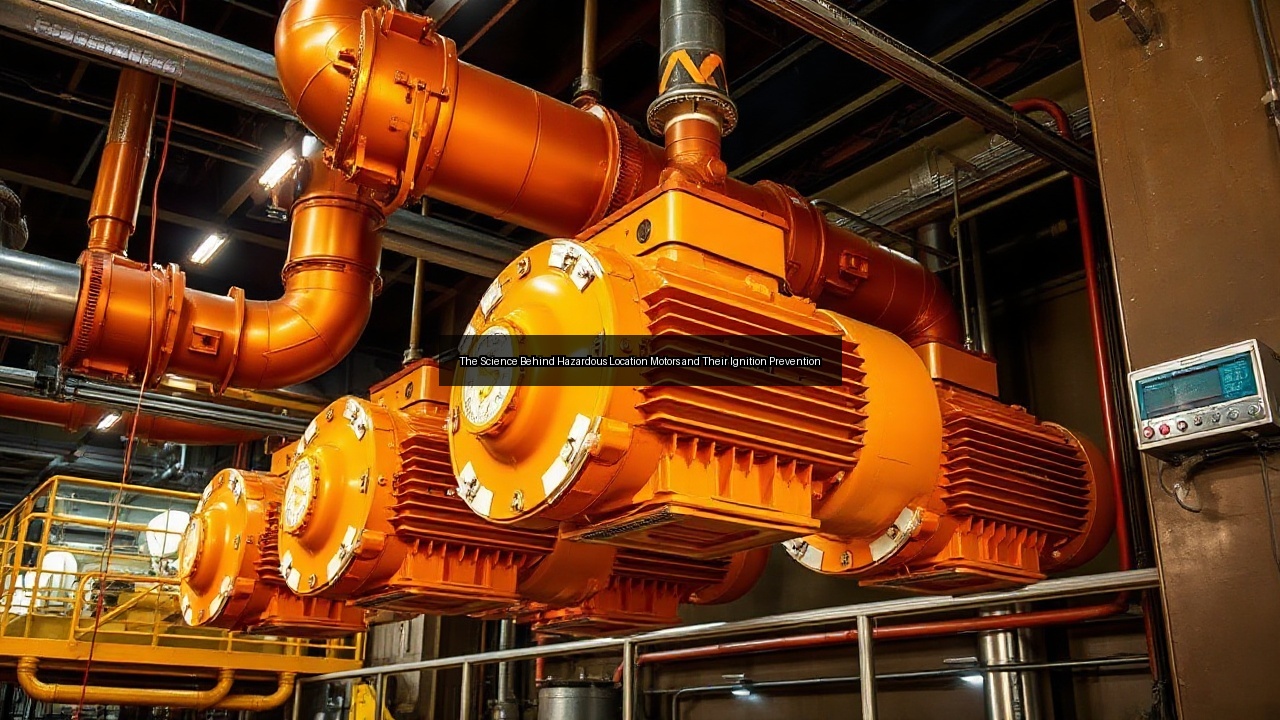
Understanding Hazardous Location Motors
What Makes a Motor Hazardous?
Hazardous location motors are specially designed electric motors that can safely operate in environments where flammable gases, vapors, or combustible dusts are present. The potential for ignition in these settings makes standard motors unsuitable. Factors that contribute to a motor's hazardous classification include the presence of explosive materials, the frequency of those materials, and the specific behaviors of gases and vapors at varying temperatures and pressures. Understanding these elements is crucial for selecting the right motor for a particular application, ensuring both safety and performance in potentially dangerous environments.
Types of Hazardous Locations
Hazardous locations fall into distinct categories based on the nature of the materials present. Class I locations involve flammable gases or vapors, commonly seen in industries such as oil and gas, chemical manufacturing, and refineries. Class II locations focus on combustible dusts, typical in industries like the pulp and paper sector and grain handling. Class III locations contain easily ignitable fibers or flyings, often found in textile manufacturing. Each category requires specific design considerations for hazardous location motors to prevent ignition and ensure reliable operation.
Ignition Sources in Hazardous Environments
Several potential ignition sources exist in hazardous environments, making it essential to understand them when selecting hazardous location motors. Common ignition sources include electrical sparks, hot surfaces, and friction-generated heat. Additionally, electrical arcs can occur during motor startup and operation. Understanding these ignition sources enables engineers and safety professionals to implement design features that mitigate risks. For instance, using explosion-proof enclosures or intrinsically safe designs can help prevent ignition in environments where vapors and dusts pose serious threats.
Design Features of Hazardous Location Motors
Enclosure Types and NEMA Ratings
Enclosure types and NEMA ratings play a pivotal role in the safety and functionality of hazardous location motors. NEMA, or the National Electrical Manufacturers Association, provides ratings that classify motors based on their ability to withstand environmental factors. For hazardous locations, motors often feature explosion-proof or flameproof enclosures that prevent the ignition of external gases or dusts. These enclosures hazardous location electric motors are designed to contain any explosion that may occur within and prevent it from igniting the surrounding atmosphere. The proper selection of enclosure types ensures that motors operate safely in environments with volatile materials.
Motor Cooling Methods and Their Importance
Cooling methods significantly impact the performance and safety of hazardous location motors. Efficient cooling prevents overheating, a critical factor in environments where flammable materials are present. Common cooling methods include air-cooled, liquid-cooled, and even forced ventilation systems. In hazardous settings, it’s vital to select cooling systems that do not introduce additional ignition sources. For instance, utilizing air-cooled designs with proper filtration can help maintain safe operating temperatures while minimizing the risk of ignition from hot surfaces or electrical components. Proper cooling strategies enhance the reliability and longevity of these motors in demanding applications.
BLDC Motors in Hazardous Applications
Brushless DC (BLDC) motors are gaining traction in hazardous applications due to their efficiency and reliability. These motors eliminate the need for brushes, reducing the risk of sparks caused by wear and tear. BLDC motors offer precise control over speed and torque, making them suitable for applications such as gas compressors and cooling towers, where variable speed operations are common. Their compact design and high power-to-weight ratio make them ideal for limited-space installations in hazardous locations. By choosing BLDC motors, industries can enhance operational safety while benefiting from advanced performance features.
Applications and Use Cases
Motors in Pulp and Paper Industries
The pulp and paper industry often operates in environments classified as hazardous due to the presence of combustible dusts. Motors used in this sector must meet strict safety standards to prevent ignition during processing, drying, and packaging. Hazardous location motors in this industry typically feature rugged designs, robust enclosures, and specialized cooling systems. The ability to withstand high humidity levels and frequent exposure to chemicals further emphasizes the need for durable construction. Selecting the right hazardous location motors enhances operational efficiency while maximizing safety in an environment filled with flammable materials.
Cooling Towers and Gas Compressors
Cooling towers and gas compressors serve critical functions in many industrial processes, often operating in hazardous locations. The motors powering these systems must endure challenging conditions, including exposure to moisture, humidity, and flammable gases. Hazardous location motors employed in cooling towers often feature protective coatings and corrosion-resistant materials to enhance longevity. Similarly, gas compressors require motors that can handle varying loads and high operational frequencies while maintaining safety standards. Understanding the specific requirements of these applications ensures the effective selection of motors that meet both safety and performance needs.
Data Centers and Industrial Infrastructure
Data centers represent another area where hazardous location motors find application. These facilities require robust cooling solutions to maintain optimal temperatures for sensitive equipment. Motors used in data center cooling systems must operate efficiently while adhering to safety standards due to the potential for flammable materials in the form of dust and vapor. Industrial infrastructure, from manufacturing plants to processing facilities, relies on hazardous location motors to ensure efficient operation while safeguarding against ignition risks. Selecting the right motors for these applications promotes reliability and safety in environments where hazards abound.
Safety Standards and Regulations
Importance of Compliance with EASA and Other Standards
Compliance with safety standards is crucial for hazardous location motors. The Electrical Apparatus Service Association (EASA) plays a vital role in setting guidelines for the repair and maintenance of these motors. Adhering to EASA standards ensures that motors operate safely and effectively in hazardous environments. Understanding and implementing these guidelines not only protects personnel and equipment but also minimizes the risk of costly downtime due to accidents or failures. Manufacturers, distributors, and end-users must prioritize compliance to guarantee the safety and reliability of their operations.
Warranty Considerations for Hazardous Location Motors
Warranty considerations for hazardous location motors often differ from standard motors due to the specialized nature of their design and application. Manufacturers typically provide warranties that reflect the unique challenges posed by hazardous environments. Understanding the terms of these warranties is essential for end-users, as they may include specific conditions for installation and maintenance. In many cases, adherence to prescribed safety standards can influence warranty validity. By ensuring compliance with manufacturer guidelines, operators can protect their investments and ensure the longevity of their hazardous location motors.
Data Management and Monitoring for Safety
Data management and monitoring systems play an integral role in the safety of hazardous location motors. Implementing advanced monitoring solutions allows operators to track motor performance, detect anomalies, and respond to potential ignition sources proactively. Data analytics can provide insights into operational efficiencies, enabling timely maintenance and repairs. Regular monitoring ensures that motors are functioning within safe parameters, reducing the hazardous location electric motors likelihood of failures that could lead to hazardous situations. By investing in comprehensive data management systems, industries can enhance safety and operational reliability in their hazardous environments.
See Also
- The Future of Hazardous Location Motors in Pulp and Paper Industries
- Key Considerations When Installing Motors in Hazardous Locations
- The Evolution of Motors for Hazardous Locations and Their Impact on Efficiency
- Choosing the Right Motor for Hazardous Environments to Enhance Operational Safety
- Ensuring Safety and Performance with Hazardous Duty Motors in Challenging Environments